

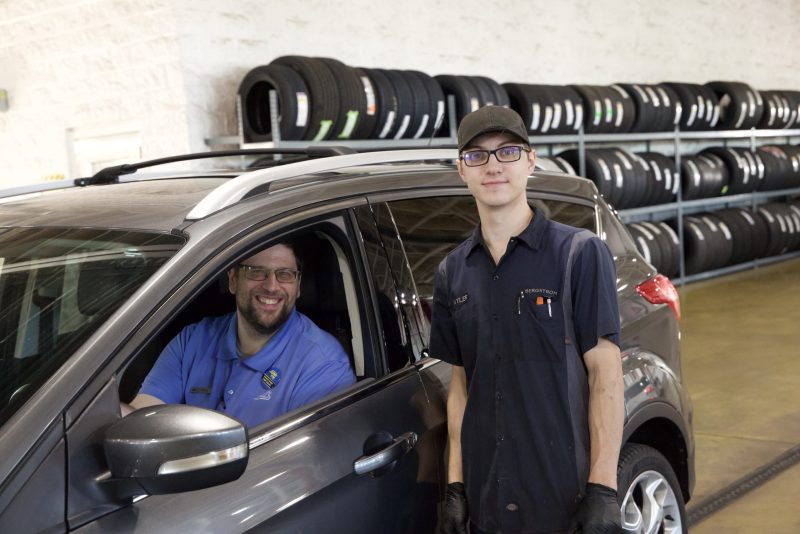
Maintaining the intricate steering and suspension systems of a premium vehicle is essential for preserving its signature ride comfort and handling precision. When drivers bring their vehicles in for a routine check, they often ask whether a wheel alignment actually adjusts the wheels themselves or the suspension components. In reality, the service calibrates the angles of the steering and suspension parts that connect the wheels to the chassis, ensuring that the tires make contact with the road at the correct angles.
Over time, everyday driving hazards like potholes, curb impacts, and normal wear can disrupt these precise factory settings. The undulating terrain and lakeside roads around Madison can gradually jar these components out of alignment, leading to uneven tire wear and a subtle pull to one side of the road. During a professional service, technicians perform either a front-end alignment or a comprehensive four-wheel alignment using specialized computerized sensors. A front-end alignment focuses solely on the front axle, while a four-wheel alignment measures and adjusts both axles to ensure all four wheels are parallel and aligned with the vehicle’s center line.
Addressing alignment issues early prevents premature tire wear and reduces strain on critical suspension components. If you notice your steering wheel is off-center or your vehicle drifts while driving on straight roads, you can easily find our service center in Middleton to have our factory-trained technicians inspect your steering system. Alternatively, you can give our team a quick call to discuss your vehicle’s handling characteristics and schedule a comprehensive diagnostic check.
Table of Contents
- Optimal Oil Change Intervals and the Science of Engine Lubrication
- Recognizing the Warning Signs of Worn Brake Pads Before They Fail
- Budgeting for Yearly Maintenance and the Long-Term Cost of Deferred Service
- Evaluating Beginner DIY Maintenance Versus Professional Dealership Care
- Common Questions About Premium Vehicle Maintenance and Service Schedules
- Proactive Maintenance Strategies for Drivers
Optimal Oil Change Intervals and the Science of Engine Lubrication
Engine oil serves as the lifeblood of your vehicle’s powertrain, minimizing friction between moving metal components, dispersing heat, and capturing microscopic contaminants. An oil and filter change is a vital maintenance task that prevents the buildup of sludge, which can restrict oil flow and lead to catastrophic engine wear. During this service, technicians completely drain the old, degraded oil, replace the oil filter with an original equipment manufacturer part, and refill the crankcase with fresh, high-grade synthetic oil designed to withstand extreme temperatures and pressures.
Modern engineering advancements have significantly extended the lifespan of automotive lubricants. For most 2017 and newer vehicles equipped with advanced synthetic formulations, the manufacturer-recommended interval is an oil and filter change every 10,000 miles or 12 months under normal driving conditions. However, vehicles frequently operated under severe conditions—such as frequent short trips in freezing weather or prolonged idling—may require more frequent intervals to prevent moisture buildup and oil dilution.
Adhering to these structured intervals ensures your engine continues to deliver optimal performance, fuel efficiency, and long-term durability. To keep your luxury vehicle operating at its peak, you can schedule a maintenance appointment online at your convenience. While our certified technicians care for your vehicle, you are welcome to browse our curated collection of premium branded lifestyle apparel and accessories in our comfortable guest lounge.
Recognizing the Warning Signs of Worn Brake Pads Before They Fail
A vehicle’s braking system relies on friction to safely convert kinetic energy into heat, allowing you to bring the vehicle to a smooth and controlled stop. A typical brake service involves a detailed inspection of the brake pads, brake rotors, and brake fluid to ensure all components are within safe operational tolerances. Over time, the high-friction lining on the pads naturally wears down, and recognizing the early warning signs of this wear is crucial for preventing damage to more expensive components like the rotors and calipers.
One of the most common indicators that your pads require attention is a high-pitched squealing or squeaking noise when applying pressure to the brake pedal. This sound is caused by a small metal wear indicator built into the pad, designed to make contact with the rotor as the friction material wears thin. If this warning is ignored, the sound will transition into a harsh, metallic grinding noise, indicating that the backing plate is making direct contact with the rotor, which severely compromises stopping power. Other signs of wear include a spongy brake pedal, longer stopping distances, or a steering wheel vibration during deceleration.
During a physical inspection, technicians measure the remaining thickness of the friction material. If the pad thickness has worn down to 3 millimeters or less, immediate replacement is highly recommended to maintain safe stopping distances. Navigating the sloping terrain and rolling hills of the Driftless Area around Verona places extra demand on your braking system, making regular pad inspections vital for your safety. To keep your vehicle’s stopping performance in pristine condition, we recommend checking our current service information for any seasonal maintenance incentives before booking your next inspection.
Budgeting for Yearly Maintenance and the Long-Term Cost of Deferred Service
Predictable ownership costs are a natural part of operating any premium vehicle, and establishing a consistent maintenance budget is the most effective way to protect your automotive investment. The majority of a vehicle’s annual maintenance expenses stem from routine, preventative services designed to prevent wear before it leads to mechanical failure. These standard services include regular oil changes, fluid top-offs, cabin and engine filter replacements, and a regular tire rotation, which is typically recommended at a 5,000-mile interval to promote even tread wear and maximize tire longevity.
Deferring these routine services to save money in the short term almost always results in significantly higher expenses down the road. For example, neglecting to replace a dirty engine air filter restricts airflow to the combustion chambers, forcing the engine to work harder and reducing fuel efficiency. Similarly, failing to replace worn brake pads in a timely manner will eventually destroy the brake rotors, transforming a simple pad replacement into a much more expensive brake system overhaul.
Consistent maintenance also preserves the factory-backed reliability and resale value of your vehicle. A documented history of timely, professional care is highly attractive to future buyers and ensures that all mechanical systems remain covered under any active warranty programs. To help manage these predictable ownership costs, drivers can review our current maintenance and parts information to find savings on essential care.
Evaluating Beginner DIY Maintenance Versus Professional Dealership Care
For hands-on vehicle owners, performing basic maintenance tasks at home can be a rewarding way to connect with their vehicle. Simple projects such as replacing worn windshield wiper blades, swapping out a dirty engine air filter, or checking tire pressures are highly realistic for beginners. These tasks require minimal tools, pose very little risk to the vehicle’s complex mechanical systems, and can be completed in a driveway in just a few minutes.
However, modern premium vehicles are highly sophisticated machines integrated with advanced computer networks, delicate sensors, and specialized mechanical components. More involved services—such as performing a comprehensive multi-point inspection, flushing transmission fluid, replacing brake components, or conducting wheel alignments—require specialized diagnostic equipment and advanced technical training. Attempting these complex repairs at home without the proper tools can lead to costly errors, compromised safety systems, and potentially voided warranties.
Entrusting your vehicle to factory-trained technicians ensures that every service is performed to exact manufacturer specifications. Certified professionals have access to proprietary diagnostic software and specialized tools designed specifically for your vehicle’s engineering. This professional oversight not only guarantees that repairs are completed correctly the first time but also allows technicians to identify and address minor issues before they develop into major, inconvenient breakdowns on the road.
Common Questions About Premium Vehicle Maintenance and Service Schedules
Q: Do I need to use an authorized dealership for warranty or safety recall work?
Yes, official warranty repairs and safety recall services are typically performed by an authorized dealership representing your vehicle’s manufacturer. Dealerships have direct access to factory-backed funding, proprietary diagnostic tools, and specialized training required to perform these repairs at no cost to the vehicle owner. Independent repair shops are not authorized to perform factory-reimbursed warranty work.
Q: What is the difference between a powertrain warranty and a bumper-to-bumper warranty?
A bumper-to-bumper warranty is a comprehensive factory warranty that covers almost all mechanical, electrical, and high-tech components against manufacturing defects for a specified period. In contrast, a powertrain warranty specifically covers the core components that generate and deliver power to the wheels, including the engine, transmission, transaxle, and drivetrain systems, typically for a longer duration than the comprehensive coverage.
Q: How does keeping a complete service history affect my vehicle’s future trade-in value?
A meticulously documented service history from an authorized dealership acts as verifiable proof that your vehicle has been maintained according to factory standards. This documentation significantly enhances the vehicle’s marketability and value, making it highly eligible for premium resale initiatives. This is particularly beneficial if you eventually choose to trade your vehicle in for a model from our premium certified pre-owned vehicle program.
Q: Can I get my vehicle serviced if I am currently leasing or financing it?
Yes, routine maintenance is not only permitted but is typically a strict requirement of most lease and finance agreements to protect the residual value of the asset. Failing to perform recommended maintenance can result in financial penalties at the end of a lease term. You can review standard financing and lease guidelines to understand how regular maintenance protects your agreement.
Q: Does my vehicle warranty cover wear-and-tear items like brakes and tires?
No, standard manufacturer warranties do not cover routine wear-and-tear items that are designed to wear down naturally through normal driving. This includes components such as brake pads, windshield wiper blades, cabin air filters, and tires. These items are considered maintenance responsibilities of the owner, though select road-hazard coverages may apply to tires purchased directly through authorized centers.
Proactive Maintenance Strategies for Drivers
Developing a proactive approach to vehicle care is the most effective way to ensure long-term reliability and peace of mind on every journey. Even with meticulous maintenance, unexpected road hazards can occur, which is why having access to manufacturer-backed support is invaluable. If you experience an unexpected breakdown, flat tire, or empty fuel tank, the Lexus Roadside Assistance: 1-800-255-3987 program is available to provide immediate, professional assistance. This exclusive service ensures your vehicle is handled by experts who utilize authorized service centers and genuine parts, preserving your vehicle’s warranty protection and mechanical integrity.
Our dedicated team is always available to coordinate with roadside services, receive your vehicle, and perform any necessary diagnostics or repairs to get you back on the road safely. For personalized maintenance advice, professional service, or to speak with a service advisor, please visit our convenient Middleton location or contact our service department directly by calling (608) 829-8900 today.
© 2026 Bergstrom Lexus of Madison. All rights reserved.
Connect with us

